Stormwater
Reducing Stormwater Runoff at Home
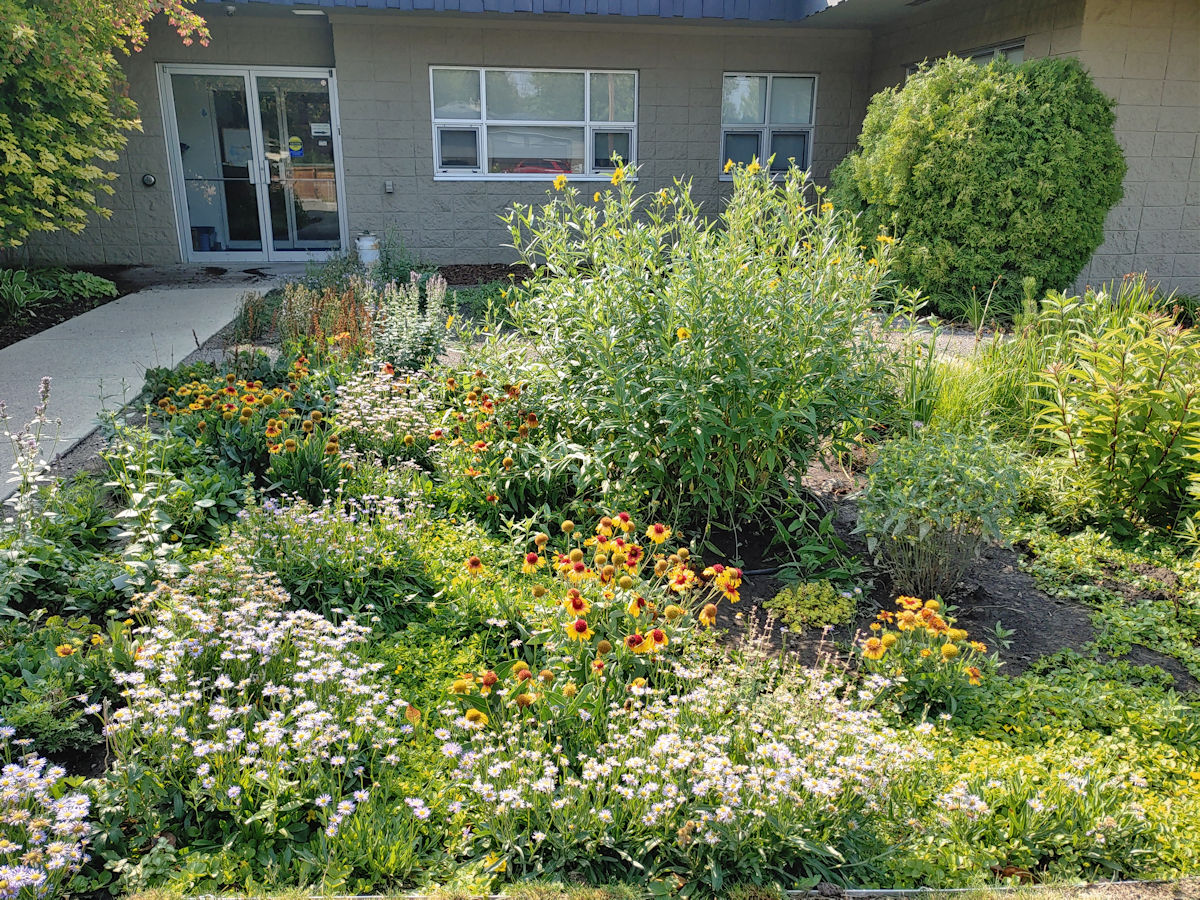
Stormwater is the water that runs off surfaces during rain or snowmelt rather than soaking into the ground. On a developed lot, roofs, driveways, and compacted soil send a large share of each storm straight to the curb and into the storm sewer. Reducing runoff at home means giving more of that water a chance to slow down and infiltrate where it falls.
Why home runoff adds up
Hard surfaces are efficient at shedding water. A roof and a paved driveway together can convert most of a rainfall into runoff within minutes. Multiply that across a street of similar lots and the combined flow can overwhelm storm sewers during intense storms, contributing to street flooding and, in older combined systems, to overflows. Measures that hold water on individual lots ease that peak.
Three approaches a homeowner can use
Rain gardens
A rain garden is a shallow, planted depression positioned to receive roof or surface water. It is sized to let collected water pond briefly and then soak in over a day or so, supported by plants that tolerate both wet and dry spells. The garden in the photograph above, in Parkdale, Calgary, is an example of this approach applied in a residential setting.
Placement first
A rain garden belongs downhill of the water source and well away from the foundation. It should drain within a reasonable time rather than holding standing water, which depends on the underlying soil. Where soil drains poorly, the garden has to be planned more carefully or paired with other measures.
Permeable surfaces
Replacing or supplementing solid paving with permeable options lets water pass through the surface into a stone base and the soil beneath, instead of running straight off. Gravel, spaced pavers, and permeable paving systems all reduce the runoff a driveway or path produces. In freeze–thaw climates, the base layer and drainage need attention so the surface stays sound through winter.
Soakaway pits
A soakaway is a buried, stone-filled pit that receives water, often from a downspout, and lets it infiltrate gradually. It moves water below grade without sending it to the sewer. Because a soakaway involves excavation and depends on local soil and any utility locates, it warrants more planning than a surface measure and, in some areas, a check with the municipality.
| Measure | Best suited to | Main consideration |
|---|---|---|
| Rain garden | Lots with space downhill of a downspout | Soil that drains within a reasonable time |
| Permeable surface | Driveways, paths, patios | Base design for freeze and thaw |
| Soakaway pit | Tight lots needing below-grade capacity | Excavation, soil, and utility locates |
How these fit with barrels and downspouts
These measures work best together. A rain barrel captures the first part of a storm for reuse; a well-routed downspout moves the rest away from the wall; and a rain garden, permeable surface, or soakaway gives that water somewhere to infiltrate instead of leaving the lot. None of them replaces the municipal storm system, but together they reduce how much and how quickly water reaches it.
Confirming local guidance
Provinces and municipalities publish their own stormwater and low impact development guidance, and some run downspout disconnection or lot-level programs. Specific design figures, setbacks, and any approvals vary by location, so use this article as orientation and verify the details with your municipality before excavating or altering drainage.